Understanding Casino Gambling
Casino gambling has long captivated the public’s imagination, often clouded by myths that can distort the reality of the experience. At its core, gambling is defined as risking money or valuables on outcomes heavily influenced by chance, where casinos create an electrifying atmosphere for participants. While luck undeniably plays a crucial role in gambling, many individuals fail to recognize the strategic elements that can significantly impact their success at the tables or machines, especially when they take advantage of the best online casino nz options available. Understanding these elements can lead to more informed choices and ultimately enhance the overall experience.
The allure of casinos is fueled by the diverse range of games they offer, from timeless classics like poker and blackjack to contemporary slot machines. Each game comes with its own unique set of rules and strategies, which can lead to misunderstandings among players. For instance, many believe that winning at slot machines is purely a matter of luck, overlooking how understanding the game mechanics and payout percentages can vastly improve their chances. By dispelling these misconceptions, players can approach their gambling endeavors with a knowledgeable perspective, making informed decisions that can lead to more rewarding experiences.
Another pervasive myth is the belief that certain times are inherently better for gambling than others. Gamblers often think they can predict a winning streak by analyzing previous outcomes or assume that a game must be “due” for a win after a series of losses. However, games like roulette and slot machines rely on Random Number Generators, ensuring that each outcome is independent of previous results. This highlights that while superstitions thrive in the gambling community, a rational understanding of odds and probabilities is far more effective in shaping a player’s strategy.
The Illusion of Control
The illusion of control is a common misconception that many gamblers fall prey to, believing they can influence the outcome of games of chance through specific strategies or rituals. This mindset can be particularly detrimental, leading players to feel a heightened sense of control that the nature of the games does not actually provide. For example, a poker player may convince themselves that their unique playing style can manipulate opponents, while the reality is that both luck and the skills of all players involved dictate the game’s outcome. Understanding this dynamic is crucial for a healthy gambling approach.
This myth often breeds frustration and financial losses, as players cling to the belief that sheer determination or certain habits can lead to victory. Focusing too heavily on control can obscure the inherent randomness of gambling. While strategic play can enhance a player’s chances in skill-based games, it’s essential to accept that luck is always a factor. Embracing the unpredictability of gambling not only improves emotional well-being but also fosters a more enjoyable experience, enabling players to appreciate the thrill without undue stress.
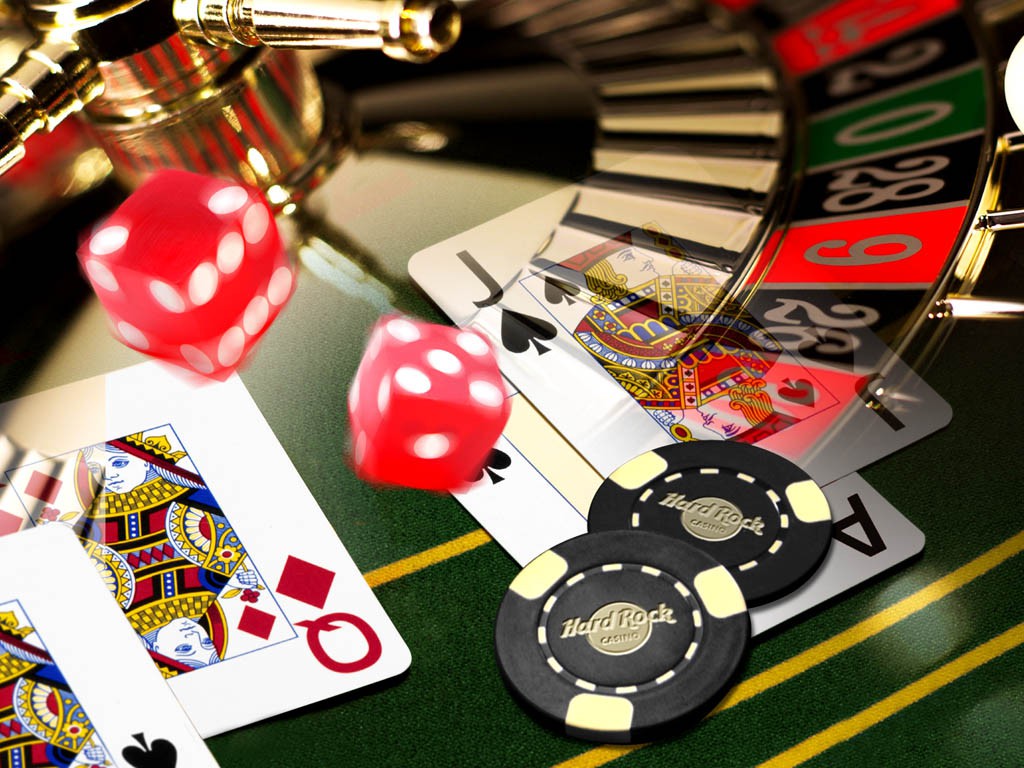
Moreover, the notion that one can predict when a machine or table is likely to pay out is misleading. Players may wait for what they perceive as “the right moment” to engage, unaware that this belief is rooted in myth rather than fact. Recognizing that gambling should primarily be viewed as entertainment allows players to approach their gaming sessions with the understanding that outcomes are ultimately beyond their control. By adopting this mindset, players can mitigate losses and amplify their enjoyment, making the experience more fulfilling.
Chasing Losses: A Dangerous Cycle
The fallacy of “chasing losses” is another prevalent myth in the realm of casino gambling. Many gamblers believe they can recover their losses by increasing their bets, convinced that a win is just within reach. This mindset can lead to a perilous cycle of escalating bets, often culminating in significant financial strain. When players emotionally invest in their losses, they may disregard sound judgment and the principles of responsible gambling, which can lead to dire consequences.
Chasing losses is particularly insidious because it creates a false sense of hope, often resulting in increased financial burden. As players consistently elevate their bets, they risk wagering amounts that exceed their financial capacity. This behavior is frequently fueled by an emotional need to reclaim perceived lost opportunities, which paradoxically deepens the problem. Recognizing this psychological trap is vital for maintaining a balanced approach to gambling, ensuring that the experience remains enjoyable rather than regretful.
To counteract this detrimental habit, gamblers should establish strict limits on their betting amounts and adhere to these boundaries. Crafting a realistic budget and committing to it can foster a healthier relationship with gambling, reducing the temptation to chase losses. Furthermore, cultivating self-awareness and reflecting on the emotional triggers behind gambling behavior can empower players to make more rational decisions, ultimately yielding a more satisfying gaming experience without the pitfalls of desperation.
Social Stigma and Isolation
The social stigma associated with gambling often leads to isolation for those who enjoy casino games. Many people mistakenly associate gambling with addiction, irresponsibility, and poor decision-making, which can discourage individuals from openly discussing their interests. This stigma can instill a sense of shame, making it less likely for individuals to seek support or share their positive experiences within a safe community. Countering this stigma is essential for fostering a more inclusive environment.

In truth, responsible gambling can be a form of entertainment that many enjoy without significant adverse effects. Numerous individuals find joy and excitement in visiting casinos while remaining fully cognizant of their limits. By cultivating a community that encourages open dialogue about gambling, society can help dispel myths and recognize the positive aspects of the experience, from the thrill of competition to the social interactions that often flourish at gaming tables. Promoting a balanced perspective can ultimately enhance the overall perception of gambling.
Furthermore, social stigma can deter individuals from seeking help if they encounter gambling-related issues. It is crucial to distinguish between casual gambling as a hobby and problematic gambling that may necessitate intervention. By raising awareness and education about responsible gambling practices, we can create a supportive environment that empowers individuals to embrace their interests without fear of judgment, thus fostering a healthier discourse about gambling.
Exploring Responsible Gambling Resources
As we unveil the myths surrounding casino gambling, it becomes imperative to highlight the importance of responsible gambling resources. With the expansion of online platforms and the presence of physical casinos, numerous institutions and organizations have emerged to assist both casual players and those who may face gambling-related challenges. Utilizing these resources is essential for enhancing understanding and promoting healthier gambling habits among individuals.
Many casinos now implement responsible gambling programs that encompass self-exclusion options, limit-setting tools, and educational materials focused on the risks associated with gambling. These resources empower players to make informed choices and recognize the potential pitfalls of gambling. This commitment to responsible gaming not only benefits individual players but also promotes a safer gambling environment for everyone involved.
In conclusion, dismantling the myths surrounding casino gambling is vital for fostering informed participation and enjoyment. By comprehending the realities of gambling, players can approach it with a balanced mindset that emphasizes strategy, emotional control, and community support. As conversations about gambling evolve, it is crucial to continue exploring responsible gambling resources, ensuring individuals can enjoy their experiences safely and responsibly. Through education and awareness, we can redefine the narrative around gambling, transforming it into a more positive and enriching activity.